Cross-Continental AI-JETT Real-World Validation Test Bed
A proposed African Union Twinning Framework for the Live Field Validation of the Artificial Intelligence-enabled Just Energy Transition Taxonomy (AI-JETT) across Ghana & South Africa
SUBMITTED TO
Ambassador Lavina Ramkissoon
Ambassador, AU-ASRIC & AU-Sixth Region · African Union
SUBMITTED BY
Christo Nicholls
Chief Executive Officer · Utility Consulting Solutions (Pty) Ltd
Knowledge exchange, capacity building, and AI-JETT field validation — not commercial electricity trading
Intra-African peer learning aligned with Agenda 2063, AU Energy Framework, and SDG 7 commitments
Pre-registered hypotheses, comparative cross-country data, and a six-phase evidence-building roadmap
AI-JETT Three-Dimensional Taxonomy
Just Energy System
High availability + affordable + equitable. The target state.
Market-Driven System
High availability + affordable but inequitable.
Subsidised but Unreliable
Subsidised tariffs mask structural reliability failures.
Structural Energy Poverty
Low availability + unaffordable + inequitable.
Cross-Continental Partnership Map
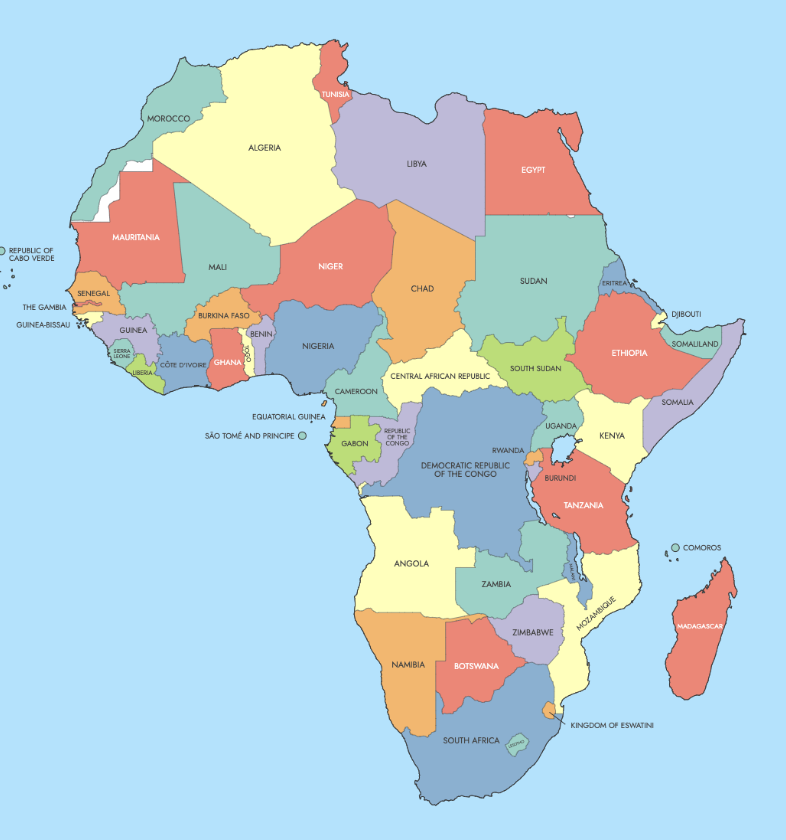
Twinning Partners
Ghana
Electricity Company of Ghana (ECG)
South Africa
Dr Beyers Naude Local Municipality (DBNLM)
Cross-Continental Validation
The AU-sanctioned twinning arrangement enables comparative analysis between Ghana's national utility (ECG) and South Africa's municipal distributor (DBNLM), validating the AI-JETT taxonomy across different energy system typologies.
Key Propositions
AI-JETT Framework Ready
The taxonomy, four-layer AI architecture, and typology classification system are theoretically robust and validated against 30 peer-reviewed scholarly works.
Strategic ECG–DBNLM Pairing
The two institutions represent contrasting but complementary African electricity contexts — national utility vs. municipal distributor — enabling meaningful cross-context generalisability testing.
Legally & Institutionally Feasible
Structured as a non-binding cooperation and learning framework, it falls within the lawful mandates of both institutions without requiring electricity trading licences.
AU Natural Custodian
An AU-sanctioned framework ensures intra-African legitimacy, avoids donor dependency, and positions the outcomes as a continental public good applicable to all 55 AU member states.
"The constraint is no longer electrons but systems."